
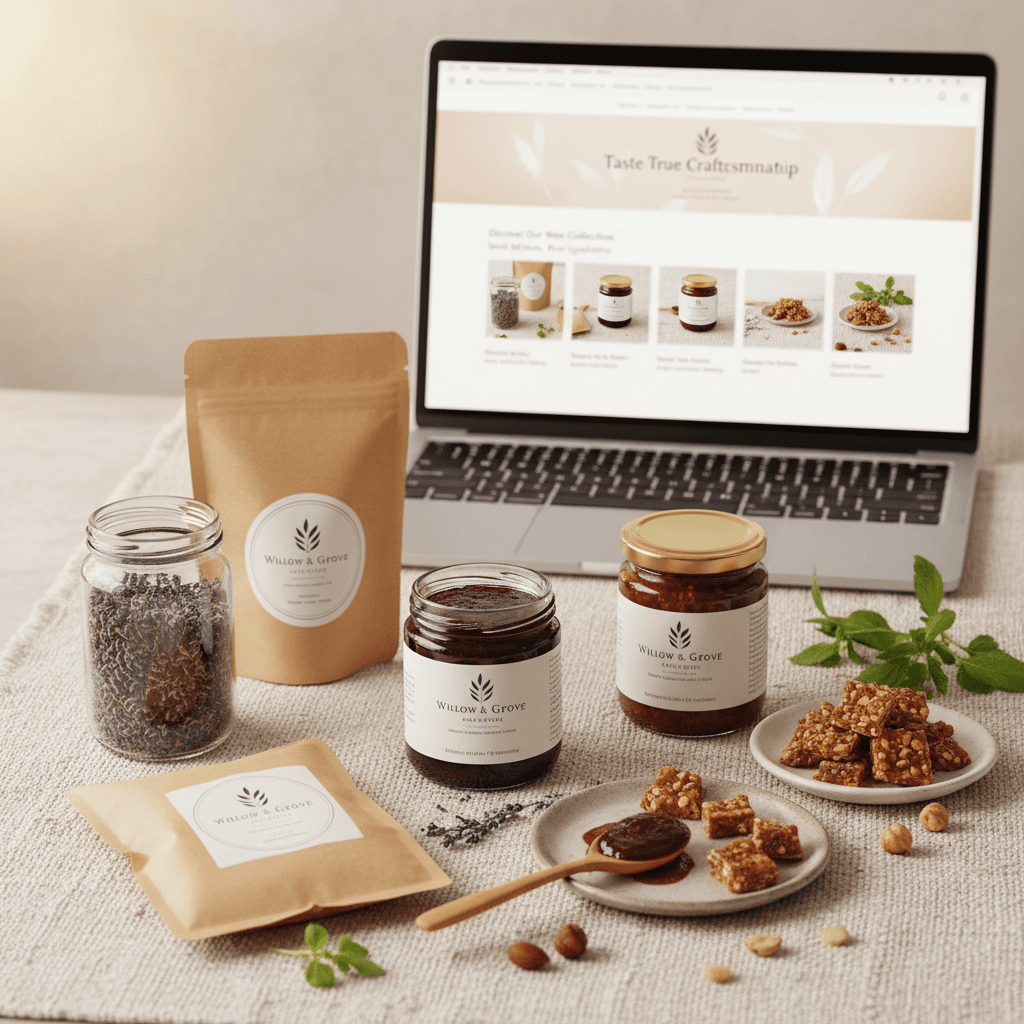
Home goods brands have a marketing advantage that many overlook: people are emotionally invested in their living spaces. A candle is not just a candle — it sets the mood for an entire room. A throw blanket is not just functional — it anchors a corner of the living room. That emotional connection means your email campaigns can go far deeper than product announcements. You can tap into how people want to feel in their homes, and that is a powerful driver for both engagement and purchases.
Here are ten email campaign ideas designed specifically for home goods brands, with practical detail on what each email should contain and why it works.
1. Room Styling Inspiration
Show your products in context, not in isolation. A styled room vignette — a bedside table with your candle, a stack of your linen napkins on a dining table, your throw draped over a reading chair — helps the customer envision the product in their own home. That visualization is what converts a "that is nice" reaction into an "I need that" decision.
Structure the email around a single room or space: the bedroom, the entryway, the kitchen counter. Feature three to five products that work together in that space, with brief notes on why each piece was chosen. The goal is to feel curated, not comprehensive — you are showing a point of view, not a catalog page.
These emails perform well on visual engagement metrics because they are the kind of content subscribers save, screenshot, and share. Every share extends your brand's reach to someone who cares about home design — which is exactly your target customer.
2. Seasonal Refresh Guide
The transition between seasons is a natural trigger for home updates. A spring refresh email might feature lighter textiles, brighter colors, and fresh scents. A fall email might highlight warmer tones, heavier throws, and candles with deeper fragrance profiles. The seasonal shift gives your subscriber a reason to revisit their space — and your products are the tools to do it.
Lead with the feeling, not the product. "Your living room is still dressed for winter" is a more compelling opening than "New spring arrivals are here." Connect the seasonal change to a sensory shift — lighter fabrics, warmer lighting, different textures — and then show which products deliver that shift.
Seasonal refresh emails work four times per year at minimum, and you can go deeper with sub-seasonal themes: back-to-school home organization, holiday entertaining prep, new year reset. Each one is a legitimate campaign that your subscriber will find useful rather than promotional.
3. New Arrivals Spotlight
New product arrivals in home goods deserve more context than a standard "just dropped" announcement. Your customer wants to know why you made this product, what gap it fills in your collection, and how it fits with pieces they might already own.
For each new arrival, include the material, the dimensions (people need to know if it fits their space), the available colorways, and a brief design note explaining the inspiration or intent. A sentence like "We designed this vase to sit on a bookshelf, not a dining table — the proportions are deliberately compact" tells the customer something useful that a product photo alone cannot communicate.
If you are launching multiple items, resist the urge to feature all of them. Pick three to four and give each one enough space to breathe. A focused email with three products shown in context will outperform a dense grid of twelve products shown as cutouts on white backgrounds.
4. Material and Craft Story
Home goods customers who buy from independent brands rather than mass retailers are making a deliberate choice. They care about how things are made. A material story email — the origin of your ceramic clay, the weaving technique behind your textiles, the wood sourcing for your cutting boards — gives them the information that validates that choice.
Be specific about the craft. "Hand-thrown on a wheel by our ceramicist in Asheville, each piece takes 45 minutes to form and three days to dry before glazing" is interesting. "Handcrafted with care" is not. Include a photo of the process if you have one — hands on clay, fabric on a loom, wood being shaped. The making is the story.
These emails serve double duty as brand-building and product education. They justify the price point by showing the work behind it, and they differentiate your brand from competitors who cannot tell the same story because they do not make things the same way. For more on building a brand-driven email program, see our Shopify email marketing guide.
5. Customer Home Feature
Few things sell home goods more effectively than seeing the product in a real customer's actual home — not a styled set, not a professional photo shoot, but a real living room with real furniture and your product as part of the scene. A customer home feature email celebrates a subscriber while providing the most authentic social proof available.
Ask the customer about their space: what drew them to the product, how they styled it, what the room looked like before. Feature their photos alongside a few sentences in their own words. The imperfection of real home photos — slightly messy bookshelves, a dog on the couch, natural lighting — makes the content more relatable and the product more desirable.
Customer features also generate goodwill within your community. The featured customer shares the email with their network, your other subscribers see that real people love the product, and prospective customers see evidence that the product looks good outside of a controlled environment.
6. Gift Guide
Home goods are a strong gifting category because they are personal but not too personal — you can give someone a beautiful candle or a set of linen napkins without knowing their size, dietary restrictions, or fragrance preferences. A gift guide email makes the buying decision easy for someone shopping for others.
Organize by price point or recipient type. "Under $30," "Under $75," and "The splurge" is one approach. "For the host," "For the new homeowner," and "For the person who has everything" is another. Each category should include two to three product suggestions with a one-line description of why it makes a great gift.
Send gift guides ahead of major gifting occasions — not just December. Mother's Day, housewarming season (spring and early fall), Valentine's Day, and graduation all drive home goods purchases. A brand that sends five to six gift guides per year covers most gifting occasions without feeling repetitive.
7. Care and Maintenance Tips
A care email does something subtly powerful: it reminds your customer that the product they bought is worth caring for. When you send an email explaining how to properly clean their ceramic dinnerware, condition their leather tray, or refresh the scent throw of their candle, you are reinforcing that this is a quality item that deserves attention — which validates the purchase and builds loyalty.
Keep the instructions practical and specific. "Hand wash in warm water with a soft sponge. Avoid the dishwasher — the high heat can cause hairline cracks in the glaze over time." That level of detail shows expertise and care that generic "handle with care" instructions do not convey.
Care emails are excellent post-purchase campaigns. Send them seven to ten days after delivery, when the customer has had time to unbox and start using the product. The timing makes the content immediately useful, and it opens a service-oriented touchpoint that makes the next promotional email feel less intrusive. If you want to automate post-purchase sequences like this on Shopify, care emails are one of the easiest to set up.
8. Color Trend Report
Home design trends change more slowly than fashion, but they do change, and your customer is interested. A color trend email that identifies the emerging palettes for the coming season — warm terracotta tones, soft sage greens, rich burgundy — positions your brand as a design authority and naturally features products in those colorways.
Reference external trend sources for credibility. "Pantone's color of the year is driving a broader shift toward..." or "We are seeing warm neutrals replace the cool grays that dominated for the last five years." Then show your products that align with the trend. The email reads as editorial content that happens to feature your products, not a promotional email dressed in trend language.
Color trend emails work particularly well in January (setting the tone for the year), at the start of spring (the biggest redecorating season), and in early fall (as people shift toward warmer, cozier aesthetics).
9. Clearance Event
Clearance in home goods works differently than in fashion. Home goods customers are less driven by "last season" thinking and more driven by value — getting a quality piece at a better price. Frame your clearance email around the value of the products, not the size of the discount.
"These pieces are leaving our collection" is more compelling than "Up to 50% off." Include the original design intent of each product, the material story, and the clearance price. The customer should feel like they are getting a deal on something genuinely good, not picking through leftovers nobody wanted.
Limit the clearance email to your best pieces. A curated selection of eight to ten items with strong photography converts better than a link to a clearance page with forty items shown in a grid. Your subscriber's attention is limited — spend it on the pieces most likely to convert.
10. Curated Collection
A curated collection email groups products around a theme, mood, or space in a way that feels editorial rather than commercial. "The Quiet Morning Collection" might include a mug, a candle, a linen napkin, and a small vase — products that together create an experience, not just a cart full of items.
Name the collection evocatively. The name should conjure a feeling or a scene, not describe a product category. "Summer Table" is better than "Dining Collection." "The Reading Corner" is better than "Living Room Accessories." The name frames the products as pieces of a story the customer wants to participate in.
Curated collection emails are a strong format for SendKite-generated campaigns because the AI can match your brand's visual aesthetic to the collection story, producing emails that feel editorially designed rather than template-filled. For more on how this works, see our breakdown of the SendKite generation pipeline.
A Year of Home Goods Emails
These ten campaigns create a content rotation that keeps subscribers engaged year-round: inspirational content (room styling, color trends, curated collections), product campaigns (new arrivals, seasonal refresh, clearance), brand building (material stories, customer features), and service content (care tips, gift guides). The variety means every email offers something different, and your subscriber never knows quite what to expect — which is what keeps open rates healthy.
The home goods brands that build the most loyal email audiences are the ones that treat every campaign as a chance to inspire, not just sell. Your customer's inbox is crowded. Give them a reason to open yours every time.