
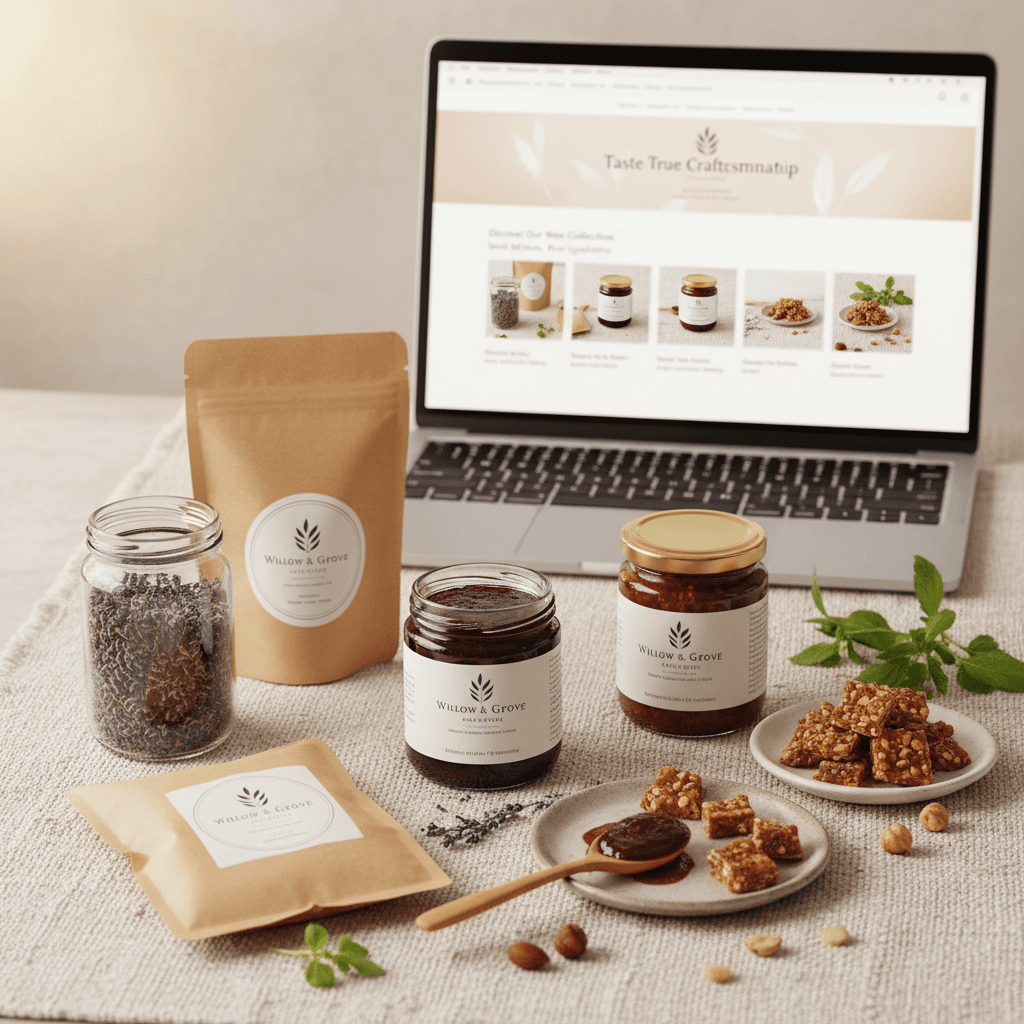
The difference between a Shopify brand that sends two emails a month and one that sends fifteen is almost never ideas — it is planning. Without a content calendar, email marketing defaults to reactive: a sale comes up, you send a sale email. Nothing urgent is happening, you send nothing. A planned calendar eliminates that pattern by giving you a send reason for every week of the year, regardless of whether anything urgent is happening.
Here is a campaign-by-campaign calendar for the full year, covering seasonal moments, evergreen content types, and product-driven campaigns. Adapt it to your specific product category and add your own launches and sales on top.
January
- New Year, New Routine — Reframe your products as part of a new habit or routine. High relevance in the first two weeks of January when resolution energy is real.
- January Clearance — Post-holiday inventory clearance. Frame as limited availability rather than a discount.
- Back to Basics — Your best-sellers email. Introduce or reintroduce your core products to customers who may only know one part of your range.
- Dry January / Wellness — If relevant to your category, tap into the wellness and reset messaging that dominates January.
February
- Valentine's Day Gift Guide — Products framed as gifts. Works for any category with a gifting angle. Send 7–10 days before the 14th.
- Last Chance Valentine's — 2–3 days before. Free shipping or express delivery offer for late shoppers.
- Brand Story — February is a natural time for a founders/values email when the inbox is full of promotional content from everyone else.
March
- New Arrivals / Spring Preview — Start building anticipation for spring products.
- International Women's Day (8 March) — If your brand has a relevant angle — female founders, female-focused products, women's community.
- Product Education — An ingredient, material, or how-it-works deep dive. Educational content performs well when there are no major shopping moments.
April
- Easter / Long Weekend Sale — Timing varies by year; adapt around the actual dates.
- Spring Refresh — Seasonal wardrobe or routine update for your category.
- Customer Spotlight — UGC email featuring real customers. High-trust content heading into peak spring.
May
- Mother's Day Gift Guide — One of the biggest gifting moments of the year in most Western markets. Send the guide 10 days out, a reminder 3 days out, and a last-chance on the day before.
- New Product Launch — Strong spring launch window when consumer spending is high.
- Community Email — Values, behind-the-scenes, or a content-only email with no direct CTA.
June
- Mid-Year Sale Preview — Tease your mid-year sale 1 week before EOFY / mid-year shopping period.
- Best Sellers Roundup — "The most popular products from the first half of the year."
- Summer / Winter Seasonal — Hemisphere-appropriate seasonal campaign for your category.
July
- Mid-Year Sale — Main event. Multiple sends: launch, mid-sale reminder, last chance.
- New Arrivals — Post-sale refresh with new products for subscribers who did not buy in the sale.
- How to Style / Use — Educational content about existing products for post-sale engagement.
August
- Back to School / Routine Reset — September routines start forming in August for many audiences.
- Limited Edition or Collab — Strong window for a limited release before Q4 ramps up.
- Win-Back Campaign — Good time to re-engage lapsed subscribers before the Q4 push.
September
- Spring Preview (Southern Hemisphere) / Autumn Transition (Northern Hemisphere) — Seasonal campaign appropriate to your primary market.
- New Collection Teaser — Start building anticipation for any Q4 product launches.
- Social Proof Email — Reviews, ratings, customer results. Set the stage for Q4 purchasing.
October
- Halloween Campaign — Category dependent; best for food, beauty, and lifestyle brands with a playful tone.
- Q4 New Product Launch — Get key launches in before the Black Friday noise starts.
- Early Black Friday Tease — Start hinting at what is coming from the last week of October.
November
- Black Friday — The biggest email week of the year. Minimum sequence: teaser, sale launch, mid-week reminder, final 24 hours. Most brands send daily during Black Friday week.
- Cyber Monday — Extension of Black Friday or a separate offer targeting different products.
- Anti-Black Friday — If your brand does not discount, use this week to send a values email explaining why. High engagement from the right audience.
December
- Christmas Gift Guides — Multiple sends: gift guide for different price points, gift guide by recipient type, last chance for delivery.
- Year in Review — Brand highlights, customer moments, products released. Community-building content.
- Boxing Day Sale — Relevant for Australian, UK, and Canadian markets.
- New Year Teaser — Set up January by hinting at what is coming in the new year.
Making the Calendar Work in Practice
A calendar is only useful if you can produce the campaigns. Planning fifteen sends per month is easy; generating fifteen on-brand, well-designed campaigns is where most brands fall short. If production is the bottleneck, see what SendKite generates for your brand — campaigns built in minutes rather than days make a full calendar achievable without a dedicated email team. For the strategic framework behind email frequency, How Often Should DTC Brands Send Email Campaigns? covers the data and rationale in detail.