
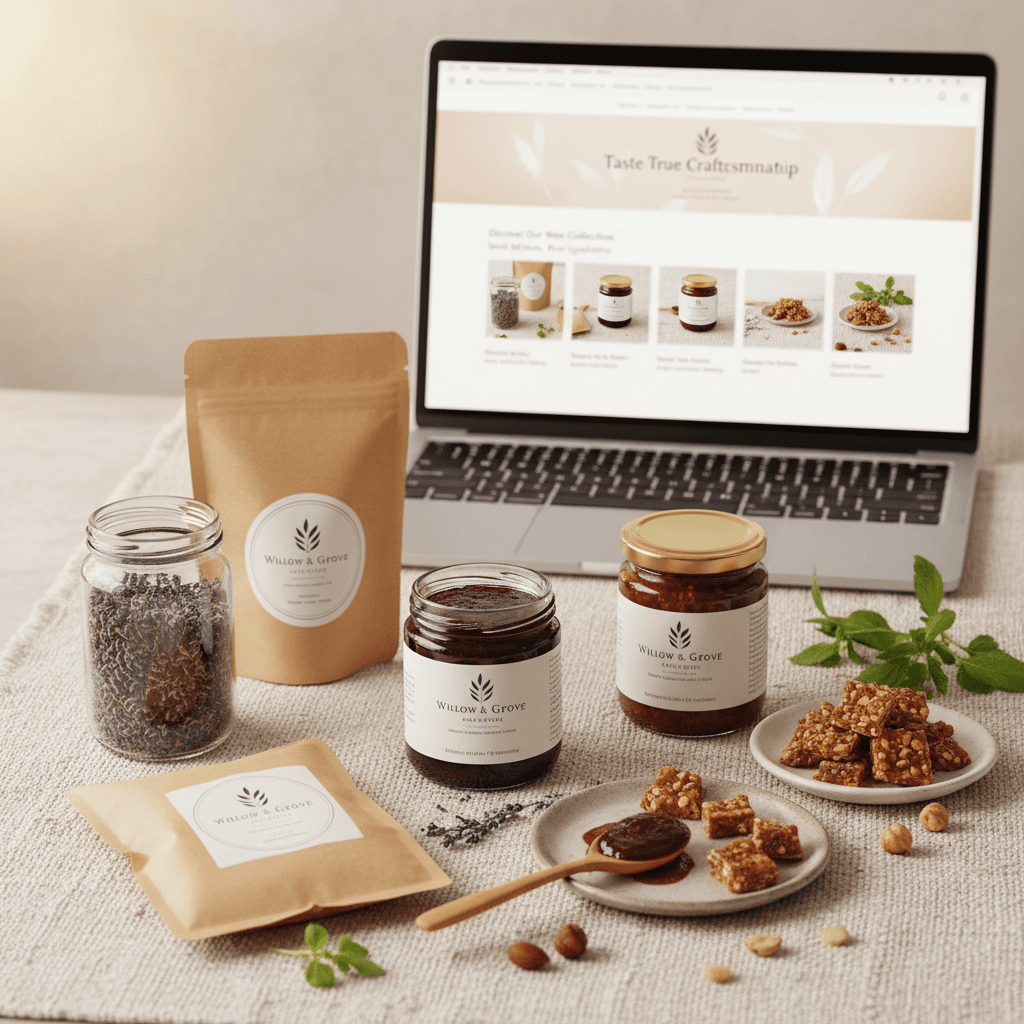
A product launch is one of the highest-value email moments a Shopify brand has. Your list has built-up demand, the product is new, and you have a natural reason to land in the inbox with something genuinely worth reading. Done well, a product launch email sequence drives more revenue in 48 hours than a month of standard campaigns. Done poorly, it squanders the opportunity and sets the new product off to a weak start. Here is how to build a launch sequence that works.
The Three-Phase Launch Email Sequence
Phase 1 — The Teaser (3–5 days before launch)
Build anticipation before the product is available. The teaser email does not reveal everything — it creates just enough curiosity to make the subscriber want the launch email when it arrives. Imagery that hints at the product, a countdown, or a brief story about why you built it are all effective teaser formats.
- Subject line: "Something new is coming" / "We have been working on this for months" / "[Date]: mark your calendar"
- Body: Product hint (not full reveal), launch date, sign-up for early access or notification if relevant
- Goal: Create awareness and anticipation, segment engaged subscribers for a VIP early access send
Phase 2 — The Launch Email (Launch day)
This is your main event. The launch email should be your best email of the quarter — strongest visuals, most compelling copy, clearest CTA. Tell the product's story: what it is, why you made it, what it does that nothing else does, and who it is for. Make the subscriber feel like they are being let in on something they will not want to miss.
- Subject line: "Introducing [Product Name]" / "It is here: [Product Name]" / "[Product Name] — available now"
- Body: Hero product image, the product story in 2–4 short sections, key features or benefits, pricing, clear CTA button
- CTA: "Shop [Product Name]" — one button, one destination
- Timing: Send between 9–11am in your target timezone for highest open rates on launch day
Phase 3 — The Follow-Up (2–3 days post-launch)
Not everyone who received the launch email opened it. Not everyone who opened it bought. The follow-up serves two audiences: non-openers (resend with a new subject line) and openers who did not convert (social proof, answer objections, add urgency if stock is genuinely limited).
- For non-openers: Resend with a different subject line 48 hours after launch. Some ESPs do this automatically.
- For openers who did not convert: "What people are saying about [Product Name]" — early reviews, reactions, or a founder note about the response
- Subject line: "The response has been incredible" / "Last units available" (only if true) / "[Product Name]: what you need to know"
What a Great Launch Email Looks Like
The best launch emails share a few characteristics regardless of brand or product category:
- One product, one focus. Launch emails that feature multiple products dilute the moment. The new product deserves its own email.
- The product story is told visually and verbally. The photography should show the product in its best context. The copy should tell the reader something the image cannot — the why behind it, the ingredient that matters, the problem it solves.
- The copy sounds like the brand. Generic launch copy ("Introducing our new product — we're excited to share this with you") is forgettable. A launch email that reads exactly like your Instagram caption for the same product is memorable.
- The CTA is prominent and singular. One button. Not a row of products. Not a navigation bar. One action you want the reader to take.
Launch Email Subject Lines
The launch email subject line has one job: get the open on a day when multiple brands are competing for inbox attention. High-performing formats:
- The reveal: "Introducing [Product Name]" — direct, clear, works when the product name itself is interesting
- The story hook: "Three years in the making" / "We almost did not make this"
- The date anchor: "Today: [Product Name] is live"
- The exclusivity: "Early access: available to our list first"
- The curiosity gap: "The product our customers have been asking for"
Timing Your Send
For most DTC brands targeting consumers, Tuesday through Thursday sends between 9–11am local time generate the highest open rates. Launch emails can also perform well in the early evening (6–8pm) if your audience skews toward browsing on phones after work. Avoid Friday afternoon, Saturday, and Sunday morning for launch sends — inbox competition and engagement both drop.
Using AI for Launch Emails
Launch emails are one of the most time-intensive emails to produce manually. They require strong creative direction, product storytelling, and consistent brand voice — often under deadline pressure. If production time is a constraint, see what SendKite generates for your brand — the AI produces complete campaign emails calibrated to your specific brand voice and product, not a generic template. For a broader overview of campaign types, 10 Shopify Email Campaign Ideas That Actually Work in 2026 covers the full range alongside product launches.