
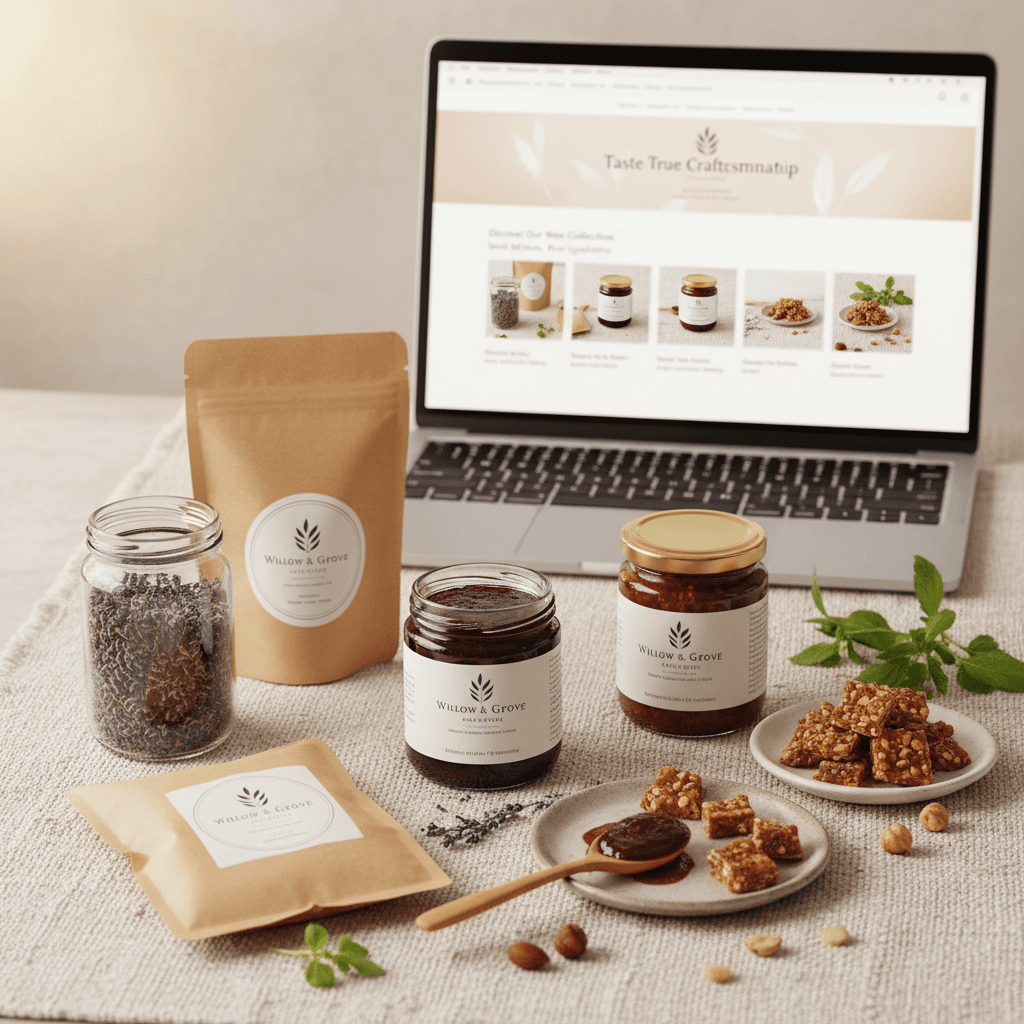
DTC email marketing — direct-to-consumer email marketing — is the practice of building and communicating with a proprietary email list of customers and prospects who have a direct relationship with your brand. If you sell products through your own Shopify store rather than exclusively through retailers, you are a DTC brand, and email is one of the highest-ROI channels available to you. Here is what makes DTC email different from other types of email marketing, and how to approach it.
What "Direct-to-Consumer" Actually Means
DTC brands sell directly to the end customer — no intermediary retailer, no marketplace taking a cut, no distributor standing between you and the person who buys from you. Shopify is the infrastructure most DTC brands are built on. Instagram, TikTok, and paid social are how most of them acquire customers.
The defining characteristic of a DTC brand is that it owns the customer relationship. You know who bought from you, what they bought, when, and how often. That data is yours. Email marketing is how DTC brands convert that owned data into owned revenue — a channel that does not depend on an algorithm, an ad platform, or a third party to reach the people who already know and trust your brand.
How DTC Email Differs From B2B Email Marketing
B2B email marketing is built around education and relationship-building over long sales cycles. B2B emails nurture leads through a funnel that might take months. The subscriber is a professional evaluating a business decision.
DTC email marketing is faster, more visual, and more emotionally driven. The subscriber is a consumer who may buy within minutes of opening an email or may buy six months later. The email's job is not to educate them through a complex decision — it is to remind them of a brand they already like, show them something new or relevant, and make buying feel easy and worthwhile. Identity, aesthetics, and brand voice matter far more in DTC than in B2B.
The Two Types of DTC Email
Campaign Emails (Broadcasts)
Campaign emails are sent to your full list (or a segment of it) at a specific time. A product launch, a sale, a seasonal campaign, a brand story, a UGC roundup — these are all campaign emails. They require active production: writing, design, and scheduling. The brands generating the most from email send three to five campaigns per week.
Flow Emails (Automated)
Flow emails are automated sequences triggered by specific customer actions. Welcome series (triggered by sign-up), abandoned cart (triggered by cart abandonment), post-purchase (triggered by an order), win-back (triggered by inactivity). Flows run without ongoing effort once set up. For most DTC brands, 15–30% of total email revenue comes from flows alone.
The highest-performing DTC email programmes have both: a strong automated flow foundation handling lifecycle moments, and a consistent campaign calendar filling in the weeks between.
The Core DTC Email Metrics
- Open rate: The percentage of recipients who open the email. Industry average for ecommerce is 20–25%. Top-performing brands hit 35–45%.
- Click-through rate (CTR): The percentage of recipients who click a link in the email. 2–5% is typical; above 5% is strong.
- Revenue per recipient (RPR): Total email revenue divided by the number of emails sent. The most useful metric for understanding the business impact of your email programme.
- Unsubscribe rate: Should stay below 0.5% per send. Consistently higher indicates list quality or relevance problems.
What Makes DTC Email Work
Three things separate DTC brands that generate 30–40% of their revenue from email from those generating 5–10%:
- Brand voice consistency. Emails that sound and look like the brand your subscriber found on Instagram keep engagement high. Generic emails erode trust quietly but reliably.
- Campaign frequency. Sending more often — with relevant, quality content — is the single biggest lever most DTC brands have available. The production bottleneck is usually the limiting factor, not ideas or strategy.
- Complete flow coverage. Welcome series, abandoned cart, post-purchase, and win-back running simultaneously means you are capturing revenue at every stage of the customer lifecycle, not just from deliberate campaign sends.
Getting Started With DTC Email Marketing
If you are just starting, the priority order is:
- Choose an ESP (Klaviyo is the standard for Shopify; Mailchimp works for simpler setups)
- Set up your welcome series and abandoned cart flow
- Add a sign-up form to your site with a compelling incentive
- Start sending at least one campaign per week
- Add post-purchase and win-back flows
If campaign production speed is the constraint, see what SendKite generates for your brand — the AI produces complete, on-brand email campaigns in minutes rather than hours, using your Instagram content and brand identity as the creative foundation. For the technical setup side, How to Set Up Email Marketing on Shopify covers the full step-by-step process.